Investigators believe foul play occurred resulting in Alice’s death, sometime between 1916 and the fire in 1918
Saskatoon Police now know who the woman in the well was in life. She was identified thanks to a combination of determined investigative work and genealogical and DNA testing.
Saskatoon Police said that she is Alice Spence (nee Burke). Alice moved to the town of Sutherland, Sask., in 1913 from St. Louis, Minnesota. Since her remains were found decades ago, she was known as “the Woman in the Well.”
The Spence family consisted of Alice, her husband Charles and young daughter Idella. A 1916 Census is the last record investigators have found indicating Alice was alive. A fire in 1918 destroyed the family’s home and later information lists Charles living with his daughter, a housekeeper and her son in 1921.
Investigators believe foul play occurred resulting in Alice’s death, sometime between 1916 and the fire in 1918. Through the development of family trees, Alice’s descendants have been located. Most of them were unaware of her and her tragic death.
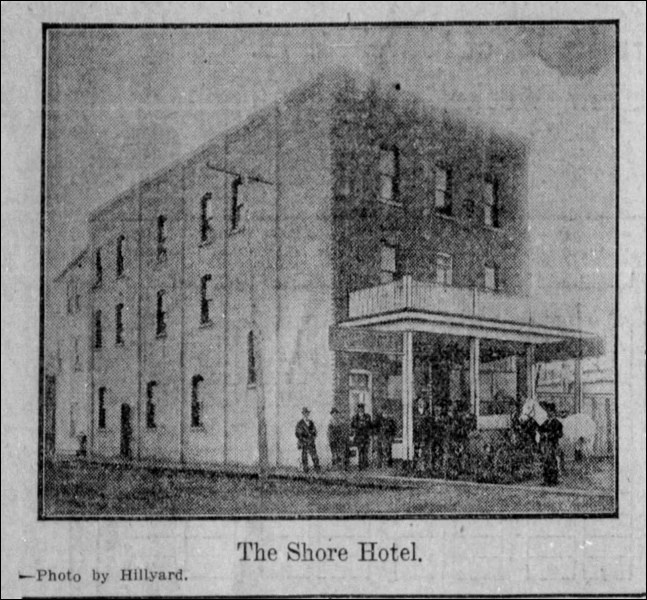
The mystery began for investigators on June 29, 2006 when a site at the corner of Central Avenue and 108th Street was being excavated. Crews located an old well and a barrel containing preserved female remains. The Shore Hotel once sat on the site where the woman’s body was found.
An autopsy determined the death was suspicious in nature and provided information that may help identify her. It was a miracle according to investigators. The odds of recovering the body of someone in that condition, who died so long ago are not good. “I used to say that she wanted to be found”, says Dr. Ernie Walker, a professor of anthropology and archaeology who brought his expertise to the investigation.
Over the last 19 years a number of investigators have been assigned to the case, utilizing a variety of tools including DNA testing and historical archive information to try to determine Alice’s identity. The Saskatoon Police Service also relied on a variety of partners, from the Department of Archaeology at the University of Saskatchewan, the Saskatchewan Coroner’s Service, the Western Development Museum, City of Saskatoon Archives and the City of Saskatoon Infrastructure Services. The critical break came when members of the Toronto Police Services’ Investigative Genetic Genealogy (IGG) team assisted in exploring genetic relatives and developing family trees.
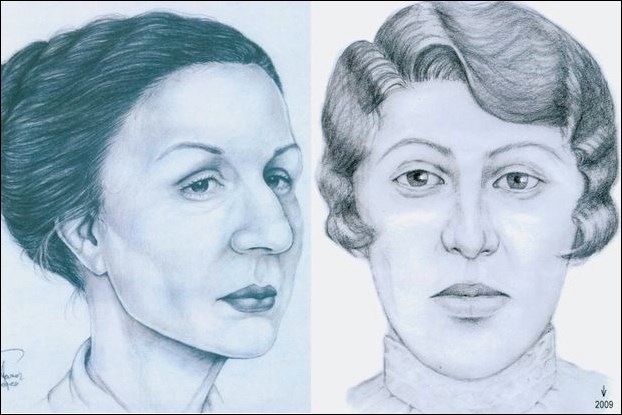
“This investigation is a testament to the determination and innovation of investigators throughout all these years,” says Chief Cameron McBride. “As a Constable who assisted immediately after Alice’s remains were discovered, this is an especially satisfying outcome.”
It is believed this is the oldest investigation in Canada to be solved with the assistance of IGG.
Cindy Camp, the woman’s great-granddaughter, said the family will erect a headstone where she is buried.
Remains found in 2006
On June 29, 2006, on the west corner of 108th Street and Central Avenue in the Saskatoon neighbourhood of Sutherland, a work crew discovered a woman’s body while excavating fuel tanks from an old gas station. She had been murdered, wrapped in a burlap sack, stuffed into a barrel and thrown into a well. The Shore Hotel once sat on the site where the woman’s body was found.
The Saskatoon City Police determined that the “Woman in the Well” had been killed sometime in the early 1900s. Her body and clothing were relatively well-preserved due to the mixture of water and gasoline from the gas station that was later built on the site.