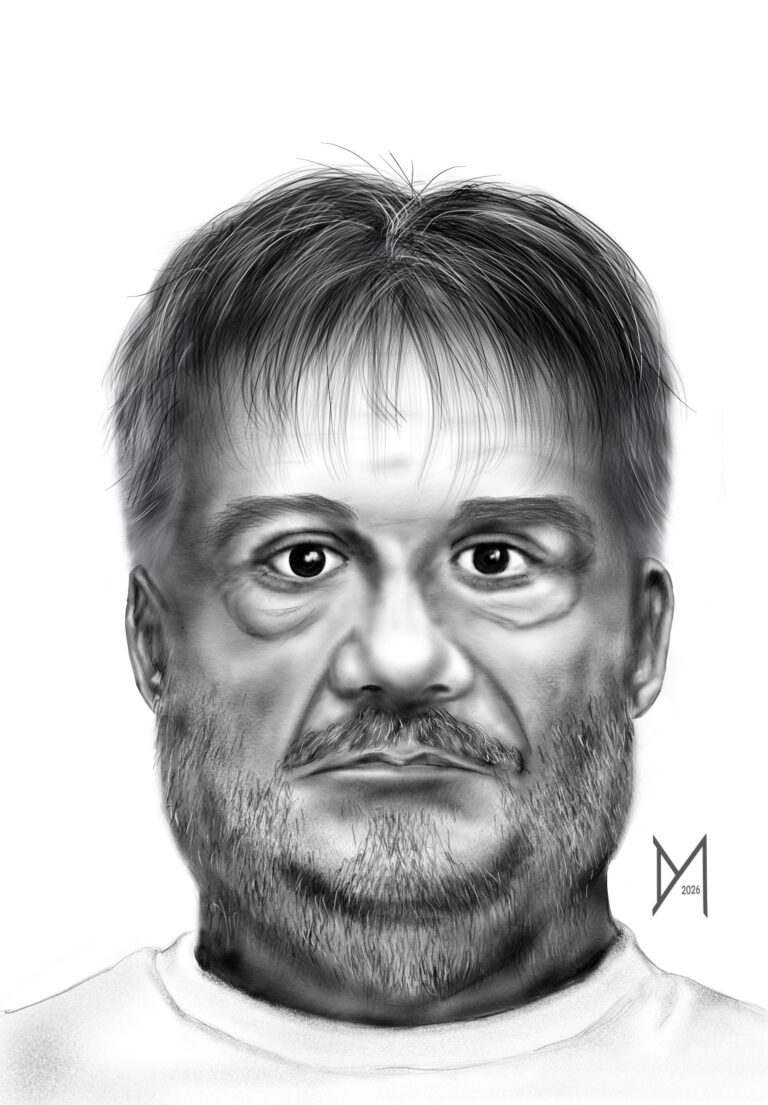
In a precedent-setting decision, a provincial court judge in Prince Rupert has ruled that a 30-day mandatory jail sentence for a sexual offence constitutes “cruel and unusual punishment” for an Indigenous man with severe health issues, declaring the federal law unconstitutional as applied in this case.
In his Reasons for Sentence delivered Oct. 28, Judge D. Patterson found that imposing the mandatory minimum sentence (MMS) on Dion Evan Jackson would be “grossly disproportionate” and would “shock the conscience” of Canadians, thereby violating his Charter rights.
Instead of jail, Jackson was sentenced to a 180-day conditional sentence order (CSO) to be served under strict house arrest in the community, followed by three years of probation.
The case stems from a May 2022 incident in a Prince Rupert park where Jackson, 45, was convicted of exposing himself for a sexual purpose to two girls under the age of 16. The Crown, proceeding by summary conviction, had sought a five-month jail term.
However, the sentencing process became a complex, two-part hearing focused on Jackson’s unique circumstances. In a detailed judgment released in May 2025, Judge Patterson determined that a restorative, community-based sentence was the most fit and proportionate punishment for Jackson, who is a member of the Gitxaala Nation from the community of Lach Klan (Kitkatla).
This sentence, however, was unavailable due to the mandatory 30-day jail term required under section 173(2)(b) of the Criminal Code. This led to a constitutional challenge, argued in court this past August.
In his ruling, Judge Patterson emphasized that a custodial sentence for Jackson carried life-and-death consequences. Jackson is diagnosed with advanced cancer and is awaiting a critical call from the BC Cancer Agency to begin chemotherapy.
“If Mr. Jackson is sentenced to a custodial sentence, there is a serious risk that he will miss his referral call… and lose his spot for chemotherapy,” Judge Patterson wrote. “Missing this referral could prevent Mr. Jackson from receiving treatment, which might prolong or even save his life.”
The judge also found that incarceration would sever Jackson from the Northern Health Community Outreach Team, which has been crucial in managing his significant neuropsychological issues and arranging medical care.
Beyond the immediate health concerns, the judgment delivers a sharp critique of mandatory minimum sentences and their role in the ongoing crisis of Indigenous over-incarceration.
Judge Patterson noted that the MMS acts as a barrier preventing judges from fully considering the Gladue principles—the legal requirement to consider the unique systemic and background factors which bring an Indigenous person before the court.
“We continue to over-incarcerate Indigenous people in Canada,” the judge stated, citing that Indigenous people make up 36% of those in B.C. correctional centres despite being only 6% of the adult population. “Instead of reducing the over-incarceration of Indigenous people, we have collectively worsened it.”
The decision argues that from an Indigenous perspective, understanding the history of the Tsimshian people and the “realities of Mr. Jackson’s life,” the mandatory jail term is not proportionate to his moral blameworthiness, which the judge had previously placed in the middle of the scale.
“The MMS is so excessive that it is well beyond the sentencing norms for an Indigenous offender and exceeds what is necessary for Parliament to achieve its sentencing objectives for this offence,” Judge Patterson concluded.
He found that the objectives of denunciation and deterrence could be met by the strict CSO, which includes the first 90 days under 24-hour house arrest, a ban on alcohol, and mandatory sex offender treatment.
The Crown did not provide arguments to justify the law under Section 1 of the Charter, and as such, the judge did not consider the issue.
In a final note, the judgment highlighted the recent opening of an Indigenous Diversion Centre in Prince George by the BC First Nations Justice Council as the kind of innovative, therapeutic programming that Indigenous offenders need.
“Not an MMS,” Judge Patterson wrote.
The sentence imposed allows Jackson to remain in the community under stringent conditions, enabling him to access the life-saving medical treatment he awaits.
news@criminalsamongus.ca