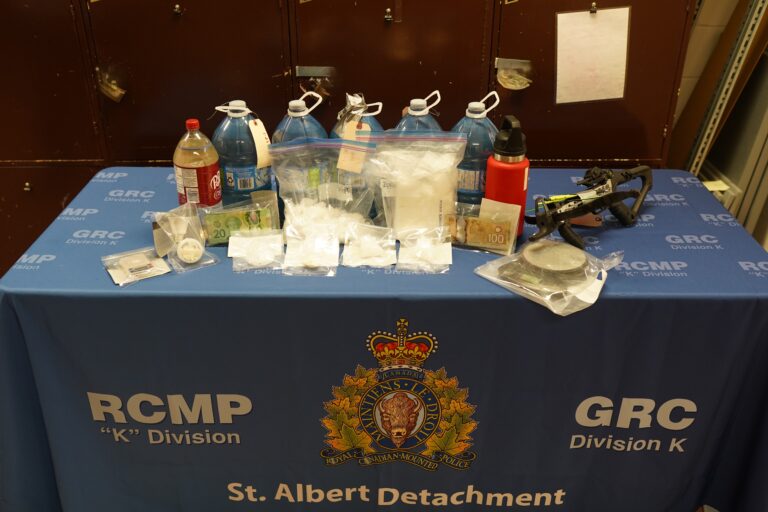
RCMP Federal Policing, Eastern Region dismantled a clandestine laboratory in Gore, in the Laurentides. During an operation on Feb. 25, police discovered a lab manufacturing pills suspected of containing methamphetamine in a residential garage.
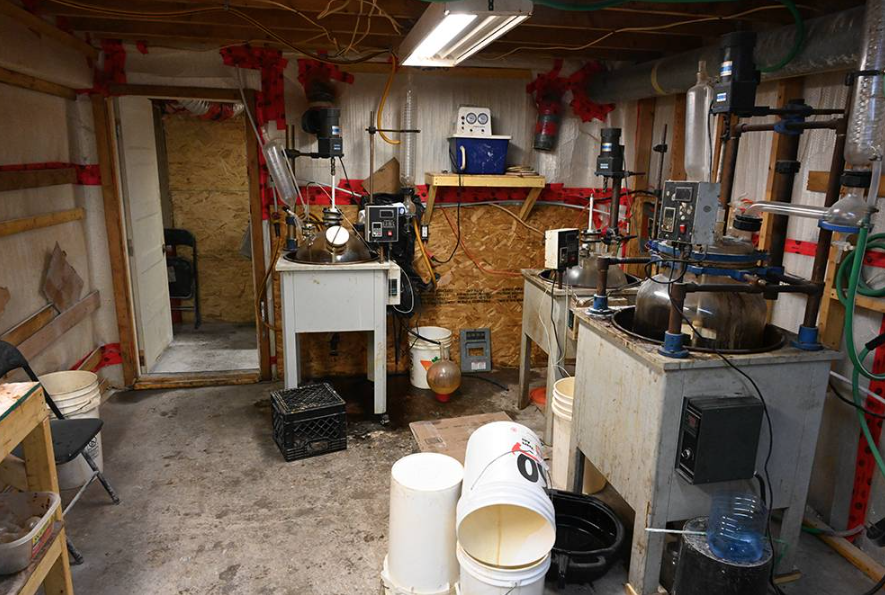
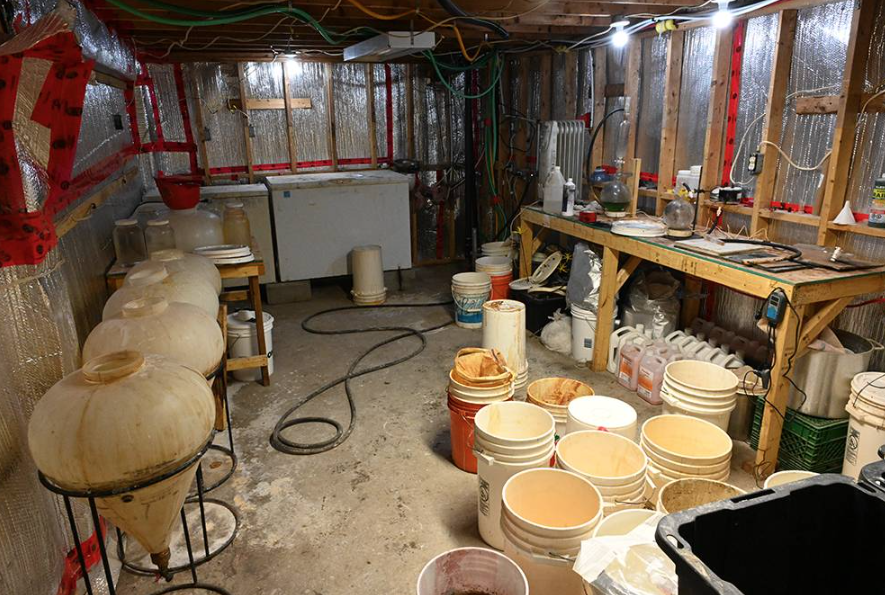
In addition, a search of the premises led to the discovery of a hidden room underneath the garage, where a clandestine synthetic drug lab was found.
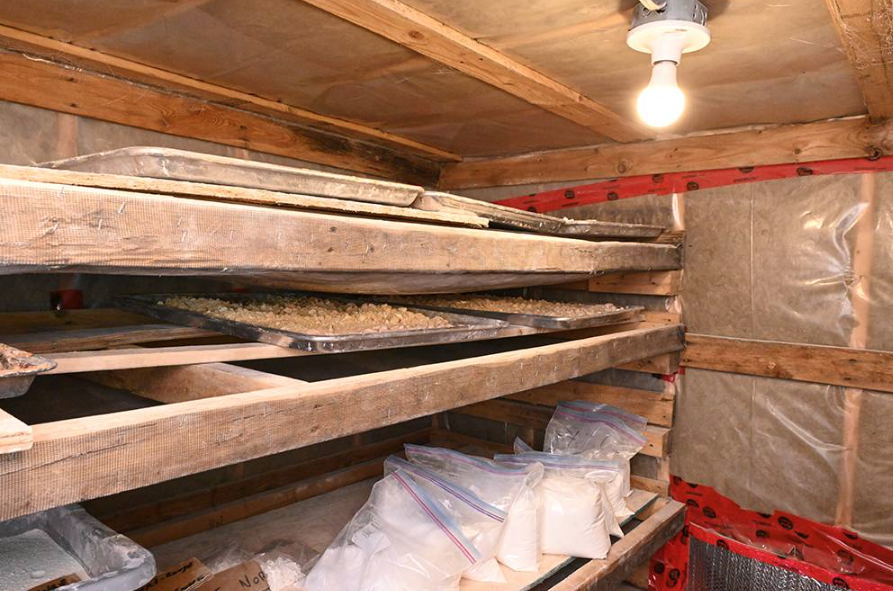
Police seized large quantities of chemicals, precursors and excipients. A pill press as well as sophisticated equipment for synthesizing suspected methamphetamine and producing several million pills were also found.
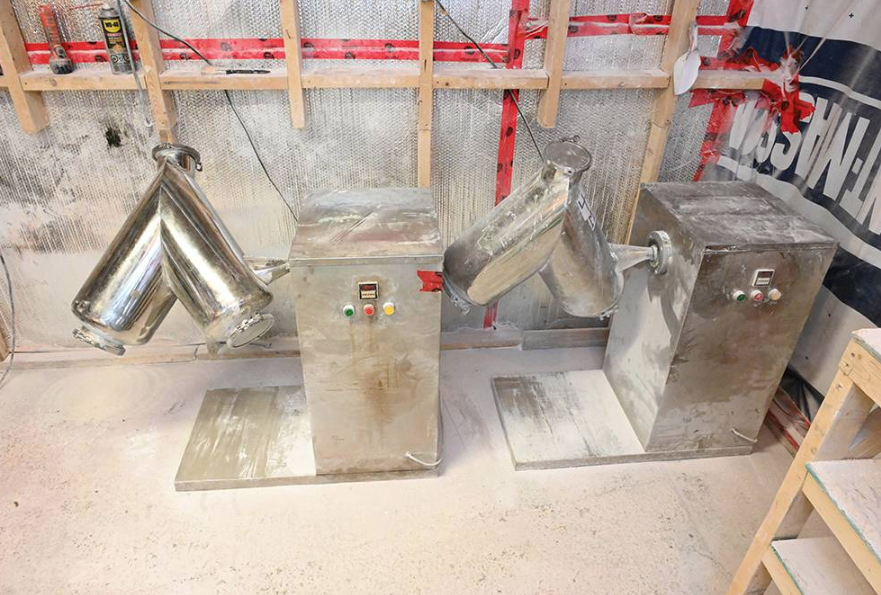
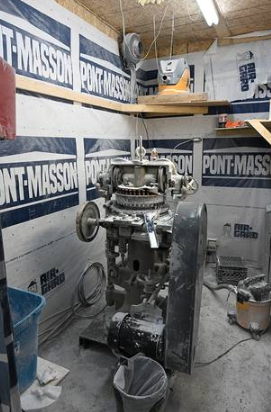
Search warrants were also executed at two other residences in Mille-Isles as part of the operation.
The Clandestine Lab Enforcement and Response Team investigation led to the arrest of four individuals. They were released pending further proceedings. They may later face charges under the Controlled Drugs and Substances Act, including production and possession of controlled substances for the purpose of trafficking.
About clandestine labs
A clandestine laboratory refers to a secret or concealed location where criminals produce or prepare synthetic drugs, such as methamphetamine.
Clandestine labs can be found in a variety of locations, such as homes, garages and warehouses. They pose a great danger not only to those who operate them, but also to neighbours and first responders. If you suspect illegal drug activity in your community, including clandestine labs, drug purchasing or toxic waste dumping, contact your local police service or Crime Stoppers (toll-free) at 1-800-711-1800.
Meth can be cooked in a space as small as the trunk of a vehicle.
Clandestine labs don’t have to be big operations. Meth can be made in a space as small as the trunk of a vehicle.
They can also be set up in homes, hotel rooms and storage sheds.

Possible locations of clandestine labs
Clandestine labs are often found in:
- Upscale single- and multiple-family dwellings
- Farms
- Rural properties
- Automotive shops
- Warehouses
- Car trunks
- Truck boxes
The smaller labs, such as those in the trunk of a vehicle, can be the most dangerous because of their simplicity and portability. Criminals can mix the ingredients in soda bottles that can become volatile and explosive.
Dangers of a clandestine lab
Clandestine labs pose great dangers to people who live near them, first responders, and operators of the labs.
Clandestine labs pose the following risks:
- Fires and explosions due to solvents or a high concentration of gases
- Health consequences due to toxic chemicals
- Poisoned air
- Contaminated walls
- Contaminated well water
- Electrical hazards
- Chemicals that ignite when exposed to air or water
- Exposure to very strong drugs
- Leaking and/or damaged compressed gas cylinders
- Oxygen deficient or toxic atmospheres
- Damaged and leaking chemical containers
- Potential for booby traps
Signs of a clandestine lab
From outside
Odours: Pungent smells, such as black licorice and ammonia or vinegar acetic taste/odour.
Windows: Covered, blacked out, or with the curtains always drawn.
Vents: Staining around vent, extreme corrosion and/or unusual coloured vapour emitting from vent.
Security: Extensive security measures or attempts to ensure privacy including cameras set-up, several locks on exterior doors, and “beware of dog” signs.
Garbage: Large quantities of chemical containers, bottles, metal drums, fibre (cardboard) barrels.
Containers: Labels have been removed or spray painted over.
Landscaping: Burn pits, stained soil, or dead vegetation indicating dumped chemicals or waste.

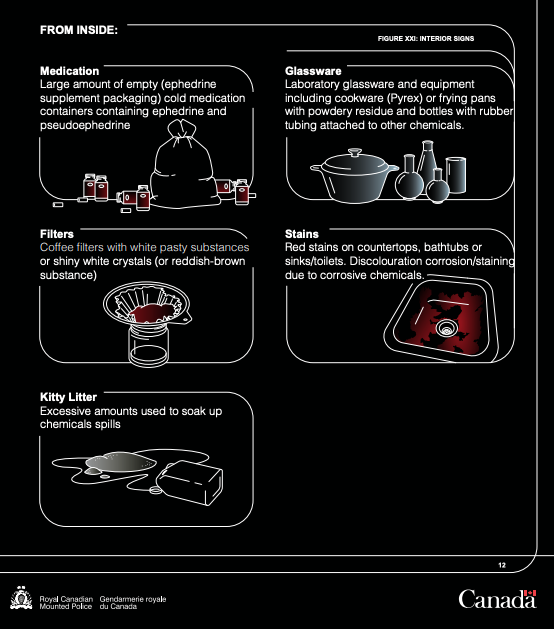
From inside
Medication: Large amount of empty cold medication containers containing ephedrine and pseudoephedrine.
Stains: Red stains on countertops, bathtubs or sinks/toilets.
Glassware: Laboratory glassware and equipment including cookware (Pyrex) or frying pans with powdery residue and bottles with rubber tubing attached to other chemicals.
Filters: Coffee filters with white pasty substances or shiny white crystals (or reddish-brown substance).
Kitty litter: Excessive amounts used to soak up chemicals spills.

Behavioural indicators
Residents: Either only home occasionally and for short periods of time or seem to always be home and never leave the house.
- They avoid contact with neighbours and only access the residence through the garage to load and unload material
Behaviour: Appear secretive about their activities and display paranoid or odd behaviour.Strategic:
Garbage is rarely put out or put out in another neighbour’s collection.
- Residents may also wait for the arrival of the garbage truck to bring their garbage to the curb
Visitors: Arrive during odd hours and for short periods of time.
What to do if you encounter a clandestine lab
- Evacuate the premises
- Do not touch or inhale anything
- Do not turn on or off electrical power switches or light switches
- Do not open or move containers
- Do not disconnect power or water inside or to the building
- Decontaminate yourself and your clothing and wash your hands and face thoroughly
How to report it
If you suspect illegal drug activity in your community including labs, purchasing, or toxic waste dumping, contact your local police or call Crime Stoppers (toll free) at 1-800-711-1800.