A man was sentenced in Peace River Court of King’s Bench on April 3 to 15 months in jail for incidents where he went to far physically disciplining his two step-children.
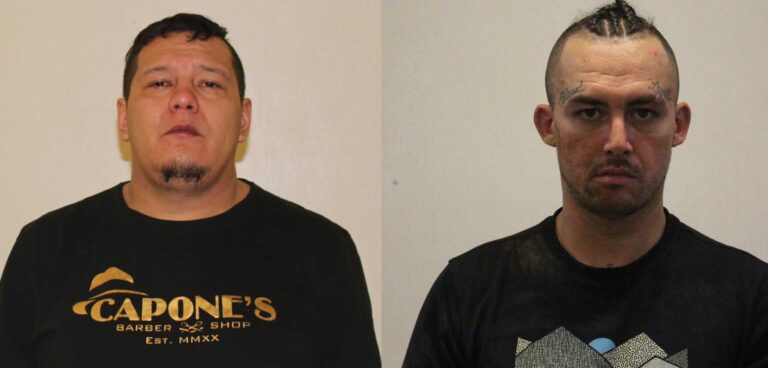
Wade Daniel Noskey was convicted in October 2023 on assault against his step-daughter and two counts of assault with a weapon against his step-son.
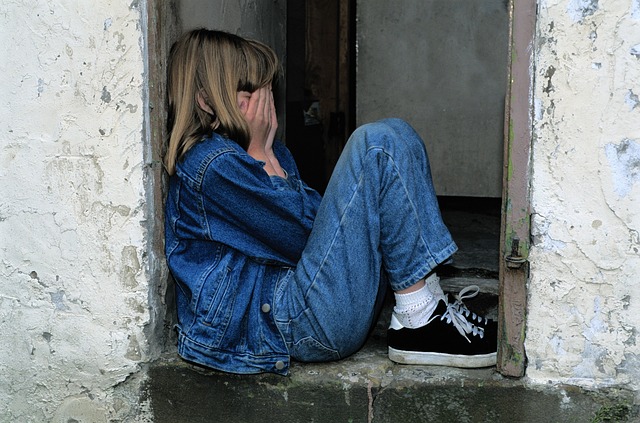
Both children were under the age of 10 at the time. There is a publication ban on identifying the two children. The court called them “T” and “S.”
Court heard that when T was about eight years old, he was disciplined for fighting with his sister. Noskey used a studded belt and delivered a single whip that slashed T’s right arm near his shoulder. He suffered an injury involving a mark that lasted 1.5 weeks, which included scabbing that was noticeable by others;
The second incident occurred when he was approximately 9 years of age. T’s mother was unhappy because the dishes weren’t washed correctly, and Noskey persuaded her to use a metal coat hanger (the top curved part was unrolled such that it was a long strip). The short, thick end was looped and struck T on the right shoulder. He suffered a red mark that turned purple. He could not move shoulder for a period of time due to the pain.
From approximately the ages of four to seven, “S” was hit mostly on her arms, but also on her legs and back with Noskey’s hands, a belt, and what was described as a stick with a thinned top portion. The general corporal discipline occurred more times than she can count by both parents. On one occasion, she recalls being hit by Noskey with the belt 2-5 times, which caused redness, bruising, and a sting. T corroborated one incident where he witnessed Noskey give their mother a belt, which she then used to hit S at least two times.
“I infer from the evidence that corporal disciplinary actions were commonplace in the household. The incidents described were in response to what the parents deemed inappropriate behaviour by the children,” said Justice Loparco.
“It is important to note that in comparison to most of the other cases provided by the Crown, these incidents did not involve self-pleasing conduct, malicious intent, or random acts of violence. Nevertheless, is not my intention to characterize the acts as trivial; they caused serious harm and were extreme. Where the administration of violent acts in the name of punishment against vulnerable and innocent children exceeds the lawful and acceptable norms of discipline, they are criminal in nature and must be strongly condemned.
A Victim Impact Statement was submitted by the children’s maternal grandmother. It describes the children’s physical and emotional harm and the impact these events had on her as their guardian and protector.
“It is clear she suffered tremendous stress, particularly given her own challenges, taking care of the children after their mother passed away,” said Justice A. Loparco. “She is to be commended for taking all steps to connect them to the necessary mental health supports to help them heal from the trauma.
“The grandmother’s victim impact statement helps me to appreciate the profound impact of this offence at both the individual and community level. Accordingly, I have considered it as it plays an important role in the criminal justice system.”
Justice Loparco said Noskey’s moral culpability is high.
“The abuse involved intentional repetitive assaultive conduct, including with a weapon, in a relationship of trust on vulnerable, young, Indigenous children.”
The violence was contained to what was believed to be a normative response to childhood misbehaviour, said Justice Loparco.
The spankings were frequent, caused redness, and involved weapons (studded belt and coat hanger), but can’t be characterized as repetitive for the sake of inflicting extreme injuries.
“While I am not suggesting that the practices are acceptable, corporal discipline is seen by some families as a necessary ‘tough love’ approach thought to produce well-disciplined children who perform better in life. “When they cross the lawful limits for punishment, they are criminal in nature and must be treated as such,” said Justice Loparco.